How Could Mere People Have Written The Bible? Part 3 – Tim Mackie
Tim Mackie
36.37
27 February 2026
8 March 2026
Part 1: https://www.youtube.com/watch?v=BOGqDZyjNMw
Part 2: https://www.youtube.com/watch?v=Hk8Ti7NdptE
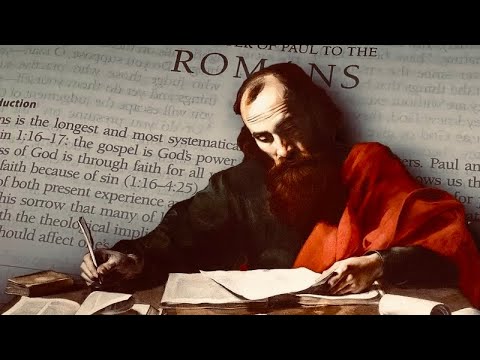
Tim Mackie advocates a nuanced view of biblical inspiration where God, through His Spirit, guided human authors to convey divine messages without rendering them mere passive vessels in trance-like states, rejecting the caricature of "golden tablets from heaven" or dictation theory that diminishes human agency. Instead, the Bible portrays its own origins as thoroughly human processes intertwined with divine purpose, mirroring Jesus' full divinity and humanity—like M.C. Escher's "Drawing Hands" paradox—where exploring its historical, archaeological, and textual production (e.g., Dead Sea Scrolls, Ugarit tablets) enhances rather than undermines its authority as God's word to His people. The first biblical mention of Scripture's writing occurs mundanely in Exodus 17:14, post-battle against the Amalekites at Rephidim, when God instructs Moses to record the victory on a scroll for remembrance, not amid Sinai's grandeur but as a natural act akin to journaling a family event, emphasising memory through writing (or rituals like Passover meals) in God's rescue narrative. The second instance, Exodus 24:4, follows covenant revelation at Mount Sinai (Horeb/Sinai), where Moses documents God's words and laws after the people's pledge, amid blood rituals symbolizing grace and justice, forming Israel into a priestly nation to mediate blessing to all peoples via covenant obedience—not a divine rulebook dropped from heaven, but a story of deliverance inviting covenant relationship. This human-divine unity extends to the Hebrew Bible's (Tanakh) formation: a three-part structure (Torah/instruction, Nevi'im/prophets, Ketuvim/writings) encountered by Jesus as synagogue scrolls, not a single codex, with prophetic books like Joshua-Judges-Samuel-Kings offering a "minority report" on Israel's covenant failures drawn from sources (e.g., Annals of Kings, Wars of the Lord) over a millennium by prophets continuing Moses' legacy. Archaeological parallels, such as Ugarit's 1920s-discovered clay tablets (c. 1300-1200 BCE) with Canaanite epics in alphabetic script akin to Hebrew—featuring gods like Baal and motifs echoing Genesis—illuminate the era's writing tech (papyrus, fired clay) available to Moses, while pre-Dead Sea Scrolls finds like Ketef Hinnom's 7th-century BCE silver amulets (Num 6 priestly blessing) and Nash Papyrus (2nd century BCE, Ten Commandments/Shema) affirm textual stability. Ultimately, the Bible self-presents as history of God's salvific acts forming a covenant people to bless nations, not a behavior manual for afterlife, with its multi-author, gradual canonisation (e.g., debated books like Esther) guided communally by the Spirit, culminating in Old/New Testaments as unified libraries.
#bible
#michaelHeiser
#timMackie
#Inspiration
#Synoptic
#Gospels
#DeadSeaScrolls
#Masoretic
#Septuagint
#Deuteronomy
#Divine
#Human
#Providence
#Theology
#Scripture
#Inconsistencies
#Historicity
#Qumran
#mcEscher
#Paradox
#Faith
#Apologetics
#Textual
#Traditions
#HolySpirit
#Ancient
#Jesus
#Origins