Online preaching
Ian Paul
43.06
8 May 2020
12 November 2025
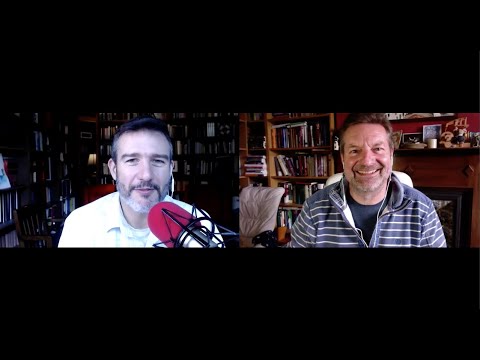
A fantastic interview and discussion with Bryan Wolfmueller from Austin, Texas, about the key elements of communicating effectively when preaching online, and the future of church after Covid19 lockdown.
Timeline for the discussion:
01.12 The new challenges to preachers with online preaching. Sound, using the camera, and the way the medium changes the way we communicate.
03.15 Where Bryan learnt these lessons in dealing with ‘new media’. We can’t just video what we do in real life and put it online. But new media doesn’t need too much polish
06.00 The challenge of the intensity and directness of video preaching. Ways in which we can relieve the intensity. There are rules, but they can be broken if we have compelling content.
08.32 The difference between search content and relationship content. Some things allow people to find us online, but other things enable people to connect with us and stay interesting.
10.15 The importance of theological imagination, allowing the ideas in our preaching to simmer and develop.
11.30 The connections with basic disciplines in preaching—the relation between study and analysis in preparation and the creative imagination.
13.30 The particular need people have at the moment to ‘see church’. Future communication will be different.
14.27 Bryan’s conviction that in preaching you need to ‘smell’ the text—have a sense of inhabiting and engaging the text with the imagination.
15.45 The importance of basic, classical good rhetoric in online communication. The twin concerns in preaching are to ask ‘How does this text convict me?’ but most important ‘How does this text comfort me?’
18.22 The immediacy of online preaching. Looking for what God is doing rather than what we ought to be doing.
20.45 When you read the Bible, what question are you asking? If you ask ‘What should I do today?’ then you will get law. If you ask ‘What is God teaching me today about forgiveness?’ then you will get something else.
22.40 The challenge of online preaching in focussing on the window of the camera when doing video. The loss of direct interaction and response. The difference for introvert and extraverts.
24.40 How Bryan got involved in new media. The low barriers to entry for new media, which means that we can experiment and take risks. Ways in which we can keep things simple.
27.30 G K Chesterton: we should be very serious about our theology, but not serious about ourselves. In this moment, we should be ready to take risks and not worry about making mistakes.
28.33 What are the positive things that are happening in this moment? What is Jesus teaching us in this situation? Repentance, and thankfulness. Today is not the future that you thought about yesterday—we are not in control the way we thought we were.
30.15 In a time of crisis we are learning to retreat and rest and learning what is important.
31.48 Will this bring particular change, or is it a time when we need to decide what will happen? There is a growth in online engagement—but how will that translate into real life?
33.48 Will we respond in the right ways in ministry to make the most of changes?
34.30 How to go and engage with unbelievers when we cannot do that in physical spaces. The challenges in this situation are actually the same as they were before—but they take a different form.
38.10 Why might people not invite their friends? What if we aren’t engaging with the questions those outside church are not asking. The difference between relevance and resonance.
39.30 When lockdown ends, will churches revert back to previous practices or will we take some of what we have learnt now into the future? The weekly gathering for the Lord’s supper and to hear the preaching cannot go away. But the ‘shaking’ of this moment will get rid of our unnecessary busyness. We will have more compassion for those who are housebound.